ROSES BOUQUET Embroidery Review
As a designer who spends more time than I care to admit staring at stitch charts and fabric swatches, I have learned that the difference between a "nice" design and a professional-grade embroidery file often comes down to subtle details. It is not just about whether the machine can read the code; it is about how the design translates from a digital screen into tangible texture on cloth. Today, I am putting ROSES BOUQUET through its paces. This piece falls under the broader category of Illustrations and Graphics, but in our world, those terms are merely the starting point. The real question is: does this design hold up when it is stitched, cut, or printed for a paying client?
First Impressions and Visual Personality
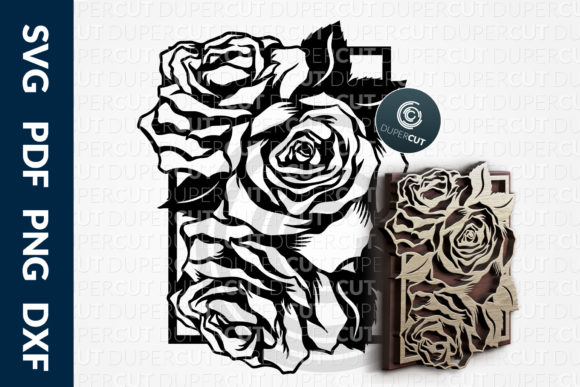
The moment you load ROSES BOUQUET into your digitizing software, the mood is immediately established. Roses are a staple in the embroidery world, but they are also one of the most overused motifs. What sets this particular design apart is its approachable elegance. It does not try to be an overly ornate, baroque masterpiece that requires hours of tedious stitching. Instead, it offers a balanced visual weight that feels modern yet timeless.
From a layout perspective, the bouquet structure suggests a natural flow. The shapes are distinct enough to allow for clear definition in satin stitch applications, which is crucial for maintaining clarity in smaller hoop sizes. The visual personality leans towards romantic and soft, making it an ideal candidate for products that aim to evoke warmth and comfort. It feels less like a rigid corporate logo and more like a hand-drawn sketch brought to life by thread. For designers looking to add a touch of sophistication without overwhelming the garment or accessory, this design strikes a careful balance.
Real-World Application: The Custom Tote Bag Scenario
To truly understand the utility of any embroidery project, you have to imagine it on a finished product. Let’s consider a common scenario for many small business owners and Etsy sellers: creating a custom embroidered tote bag. This is a high-volume item, often purchased as a gift or used for boutique branding. When I visualize ROSES BOUQUET centered on a sturdy canvas tote, the potential is evident.
The design’s scalability is a significant advantage here. Since the template can be adjusted to fit various dimensions, it works well whether you are aiming for a modest chest-sized placement on a sweatshirt or a larger, statement-making print on a kitchen towel. In a tote bag application, the roses would serve as the focal point, drawing the eye immediately. Customers reacting to such a product often associate the quality of the embroidery with the perceived value of the item. A clean, well-executed handmade product like this fosters trust and encourages repeat purchases. It transforms a simple canvas bag into a keepsake.
Furthermore, this design is versatile enough for personalized gifts. Imagine adding a name or a short date beneath the bouquet on a baby blanket or a nursery pillow cover. The floral theme pairs effortlessly with pastel threads or bold, contrasting colors, allowing crafters to adapt the aesthetic to seasonal trends, such as holiday embroidery for Christmas or spring-themed decor for Easter.
Technical Considerations and Fabric Compatibility
While the visual appeal is strong, practical execution is where many projects fail. ROSES BOUQUET performs beautifully on stable, woven fabrics. However, there are specific situations where caution is required. If you plan to use this on textured fabrics, such as heavy tweed or bouclé, the fine details of the petals may get lost in the weave. Similarly, thin or stretchy fabrics require a robust stabilizer choice to prevent puckering. Without proper support, even the best machine embroidery design can distort, ruining the symmetry of the bouquet.
Dense stitch areas need particular attention. While roses typically involve fill stitches, if the design includes intricate detailing in the center of the blooms, ensure your stitch density is appropriate for the fabric weight. On dark fabrics, thread color contrast becomes paramount. A light pink or white thread will pop against navy or black cotton, but on lighter backgrounds, you may need to adjust the thread selection to maintain visibility. Always test your thread colors on scrap pieces of the actual fabric before committing to the final product.
Where to Use Caution
- Small Hoop Sizes: If the design contains very fine lines or tiny gaps between petals, shrinking it too much may cause the stitches to merge, losing definition.
- Curved Surfaces: Applying this to caps or hats requires careful hooping techniques to manage the curvature. The flat layout of the design must be adapted to the 3D shape of the headwear.
- Frequent Washing: For items like aprons or dish towels that undergo frequent laundering, ensure the design is anchored well. Loose threads or inadequate backing can lead to premature wear.
- Layered Garments: Embroidering over thick seams or zippers can damage needles and distort the fabric. Plan your placement carefully to avoid these obstacles.
Impact on Brand and Customer Engagement
For Etsy sellers and craft business owners, the presentation of the design is as important as the design itself. ROSES BOUQUET lends itself well to high-quality printable mockups. Because the imagery is clean and recognizable, it photographs well, which is essential for online listings. Customers browsing digital storefronts make quick decisions based on visual clarity. A crisp image of the embroidery on a realistic background helps buyers envision the finished product in their own homes.
This design also supports brand consistency. If you are building a boutique line of custom apparel or apparel decorators working on team uniforms, having a cohesive floral motif allows for easy variation across different items. You might use the same design on a cap, a tote, and a sweatshirt, creating a unified look that reinforces brand recognition. The versatility of the graphic means it can be part of a larger collection of design assets, offering customers a range of options while maintaining a signature style.
Practical Designer Notes for Success
Before you start stitching, there are several steps every professional should take to ensure success. First, always run a test on scrap fabric. This allows you to check the hoop size requirements and inspect small details that might not be visible on screen. Second, review the stitch density in your software. If the design feels too dense for the intended fabric, consider simplifying or adjusting the settings. Third, inspect the design in black and white mockups. This helps determine if the contrast levels are sufficient for legibility and visual impact.
Additionally, compare how the design looks on both light and dark fabric backgrounds. Some colors that work well on white may disappear on gray or beige. Finally, confirm licensing terms. Even though this is a digital embroidery file ready for commercial use, it is vital to verify if you have the rights to sell finished items or if restrictions apply to commercial embroidery projects. Protecting your business starts with understanding the legal boundaries of your tools.
Final Verdict
ROSES BOUQUET is a reliable, aesthetically pleasing addition to any designer’s library. It bridges the gap between artistic expression and commercial viability. Whether you are creating a personalized gift for a friend or producing a batch of small shop products for a craft fair, this design delivers a polished result. Its ability to scale and adapt makes it a valuable asset for creative entrepreneurs who need flexibility in their workflow. By paying attention to fabric choices, stabilizers, and thread contrasts, you can transform this graphic into a stunning embroidered patch or centerpiece that delights customers and stands the test of time.