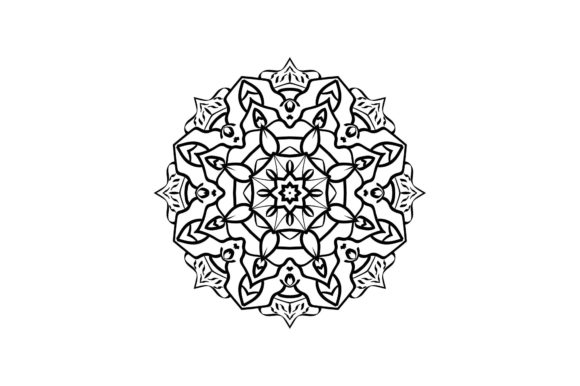
Flowers Mandala Art Illustration: A Publisher’s Review of Graphics and Illustrations for Content
In the world of digital publishing, visual hierarchy is not just an aesthetic choice; it is a functional necessity. As a blog designer who has spent years optimizing content for readability, engagement, and conversion, I have learned that the right graphic design asset can make or break a reader’s first impression. Today, I am reviewing a specific vector file—the Flowers Mandala Art Illustration—to determine its viability for real-world editorial use, from affiliate marketing pages to downloadable lead magnets.
The First Impression: Editorial Mood and Niche Fit
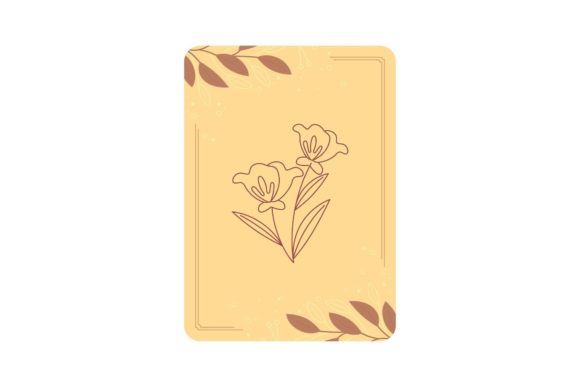
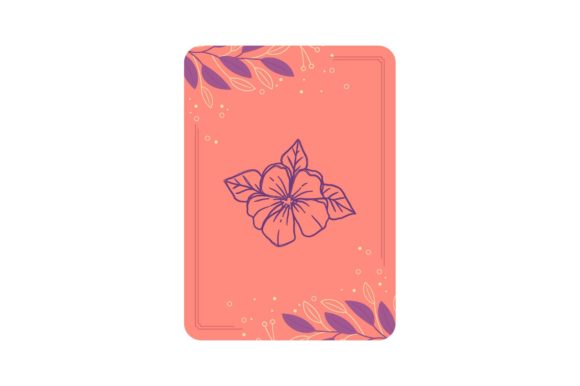
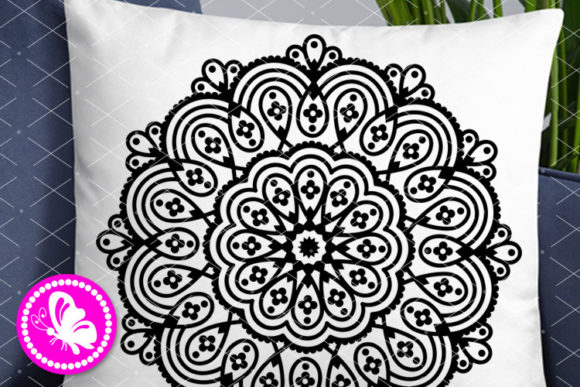
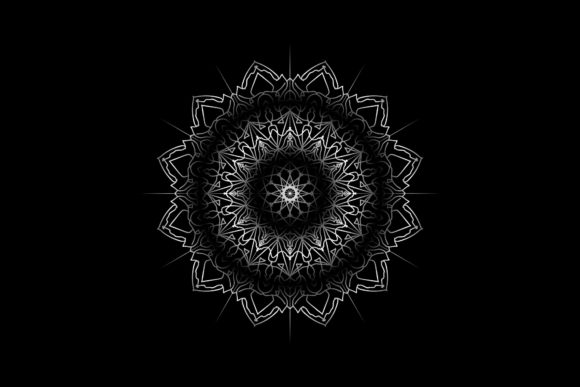
When you first load the Flowers Mandala Art Illustration, the immediate feeling is one of balance and organic symmetry. Unlike chaotic patterns or overly rigid geometric shapes, this mandala offers a calming, centered visual anchor. For a content creator, this translates directly to perceived trustworthiness. Readers subconsciously associate clean, symmetrical design with stability and professionalism.
This asset naturally supports niches that value wellness, creativity, lifestyle, and education. If you are running a blog focused on mindfulness, yoga, botanical crafts, or even high-end lifestyle affiliate marketing, the Flowers Mandala Art Illustration provides a sophisticated backdrop without overwhelming the text. It feels modern yet timeless, avoiding the trap of looking like a temporary trend. The intricate floral details suggest a hand-crafted quality, which is essential for building a strong brand identity in a crowded digital marketplace.
Integrating Vector Assets into Real Publishing Workflows
One of the most critical factors for any publisher is versatility. The product description notes that these are vector files, openable, editable, and resizable without loss of quality. This is a game-changer for content marketing strategies that require multiple touchpoints. Here is how I would deploy this illustrations asset across a typical content ecosystem:
- Pinterest Pins and Social Media Graphics: Pinterest is a visual search engine. The circular nature of a mandala draws the eye inward, making it perfect for centering key headlines. You can use the Flowers Mandala Art Illustration as a background element behind bold typography for pins that promise "5 Ways to..." or "Ultimate Guides."
- Newsletter Headers and Banners: Email deliverability and open rates depend heavily on subject lines and preview text, but the body content keeps readers engaged. A subtle mandala watermark or header graphic adds polish to your digital newsletter without distracting from the copy.
- Digital Guides and Lead Magnets: When creating a digital guide or worksheet to capture email subscribers, cover design is paramount. This illustration works beautifully as a central motif on eBook covers, signaling that the content inside is curated and thoughtful.
- Category Thumbnails: On a content-heavy website, category pages need distinct visual cues. Using variations of the Flowers Mandala Art Illustration (perhaps tinted differently) can create a cohesive visual system for different sections of your blog, such as "Wellness," "DIY," or "Reviews."
Boosting Performance Through Visual Hierarchy
Why does this matter for your bottom line? Because better visuals lead to better performance metrics. A well-designed web design element improves visual hierarchy, guiding the reader’s eye to call-to-action buttons and important links. The Flowers Mandala Art Illustration serves as a decorative accent that frames content rather than competing with it.
Furthermore, consistent use of high-quality design assets improves reader trust. In the age of AI-generated spam, human-curated, high-resolution vector art signals effort and attention to detail. This is crucial for affiliate marketing sites where credibility determines click-through rates. When a user lands on a page featuring polished graphics, they are more likely to believe the recommendations are genuine and valuable.
Strategic Applications for Digital Products
Beyond standard blogging, this asset opens doors for passive income streams. If you sell templates or printables, the Flowers Mandala Art Illustration can be the core component of a Canva template pack. Designers often look for versatile base elements that they can customize for their own clients. By offering this as part of a bundle, you add value to your creative design offerings.
It also fits seamlessly into small business branding kits. A logo designer might use the mandala structure as inspiration for a brand mark, or a web developer might use it as a loading animation placeholder. The fact that it is a vector means it scales infinitely, ensuring that whether it appears on a mobile phone screen or a large banner ad, it remains crisp and clear.
Where to Use With Caution
No single asset is a silver bullet. There are specific contexts where the Flowers Mandala Art Illustration may not be the best choice. Precision in placement is key to maintaining editorial integrity.
- Small Mobile Thumbnails: On very small screens, intricate details can blur into noise. If the mandala is used as a tiny icon or favicon, it may lose its definition. Test it at 16x16 pixels to ensure it holds up.
- Text-Heavy Blog Images: Avoid placing dense text directly over the complex parts of the illustration. The contrast between the detailed lines and small font sizes can reduce readability. Always leave negative space or use semi-transparent overlays to separate text from the graphic.
- Serious Professional Niches: If you are writing for corporate finance, legal advice, or heavy B2B technology sectors, a floral mandala may feel too decorative or informal. In these cases, stick to abstract geometry or photography that conveys authority and stark professionalism.
- Busy Layouts: If your website already features busy backgrounds, patterned sidebars, or colorful widgets, adding another complex graphic can create visual clutter. Use this asset on clean, minimalist pages where it can breathe.
Practical Publisher Notes for Implementation
Before integrating the Flowers Mandala Art Illustration into your live site, follow these technical checks to ensure optimal performance and legal compliance:
- Test on Multiple Devices: Preview the graphic on desktop, tablet, and mobile. Ensure it does not push critical navigation elements off-screen on smaller devices.
- Check Contrast and Readability: Place your headline text over the illustration. Does it pass accessibility standards? If not, adjust the opacity of the graphic or add a solid color block behind the text.
- Font Pairing: Experiment with pairing the mandala with different typefaces. It pairs well with elegant serif fonts for a classic look, or clean sans-serif fonts for a modern approach. Avoid overly script fonts if the mandala is already highly detailed.
- File Size Optimization: Even though it is a vector, exporting it for web use requires care. Export as SVG for crisp scaling, or optimize PNG/JPG exports using tools like TinyPNG to keep page load speeds fast. Slow sites hurt SEO rankings.
- Commercial Licensing: Always confirm the commercial license terms. If you are using this on monetized websites, affiliate pages, or paid content products, ensure you have the right to use the asset commercially. Some marketplaces restrict usage in resale items or require extended licenses for high-volume distribution.
Final Verdict for Content Creators
The Flowers Mandala Art Illustration is a robust, flexible graphic design asset that elevates the perceived quality of digital content. It bridges the gap between artistic expression and functional web design. For bloggers, publishers, and designers looking to enhance their editorial design toolkit, this vector file offers significant value.
Whether you are creating a new website header, designing a printable design for a workshop, or simply trying to improve the click-through rate of your Pinterest pin, this illustration provides a reliable foundation. It supports a narrative of care, precision, and beauty—qualities that resonate deeply with online audiences. By using this asset thoughtfully, you not only improve the aesthetics of your platform but also reinforce the trust and authority that drive long-term success in content publishing.