Wedding Beauty Color Flowers Bouquet Review
When I sit down to evaluate a new machine embroidery design, I am rarely looking for just something that looks pretty on a screen. As a designer who frequently bridges the gap between digital art and physical textiles, my primary concern is always execution. Will this hold up in a hoop? Will it translate well through needle and thread? Does it add genuine value to a finished product, or does it feel like generic clip art?
This is where Wedding Beauty Color Flowers Bouquet enters the conversation. It falls under the broader categories of Illustrations and Graphics, but its true potential lies in how it functions as an embroidery file. After spending time analyzing its structure and simulating its application across various projects, I have formed a clear perspective on its strengths, limitations, and ideal use cases. This review is designed to help you decide if this specific bouquet design deserves a spot in your library.
The First Impression: Mood and Visual Personality
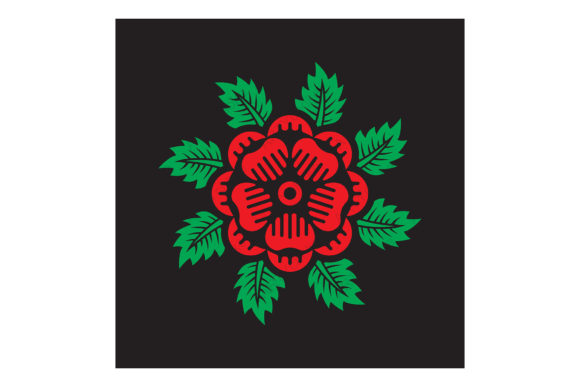
The immediate takeaway from Wedding Beauty Color Flowers Bouquet is its romantic yet structured aesthetic. The name suggests a bridal theme, and visually, it delivers exactly that. The arrangement feels lush and full, creating a focal point that commands attention without overwhelming the surrounding space. For designers working in the wedding industry, this is a crucial distinction. Many floral designs are either too sparse (looking unfinished) or too chaotic (losing definition when stitched).
The visual personality here is elegant and timeless. It evokes the feeling of a high-end boutique gift or a cherished keepsake. When I look at the layout, I see a design that naturally belongs to soft, textured fabrics. It pairs beautifully with linen aprons, crisp cotton tea towels, or delicate baby blankets. The color palette implied by the title—likely featuring soft pastels, creams, or vibrant rose tones—suggests versatility. However, the success of these colors will depend heavily on your choice of thread colors and the base fabric.
Real-World Application: From Screen to Stitch
To truly understand the utility of this design, we need to move beyond the digital preview and into the realm of tangible products. Let’s imagine a practical scenario: You are preparing a batch of custom embroidered tote bags for a local craft fair or an Etsy listing targeting bridesmaids.
In this context, Wedding Beauty Color Flowers Bouquet shines. A tote bag provides a large, flat canvas that allows the intricate details of the bouquet to breathe. Unlike smaller items where detail can get lost, the tote bag allows the customer to appreciate the nuance of the petals and leaves. Furthermore, because it is a floral motif, it appeals to a broad demographic. It is not niche; it is universally appealing for gifts, weddings, and spring events.
I also envision this design performing exceptionally well on sweatshirt embroidery projects. There is a growing trend in handmade fashion toward "cozy elegance." Placing a refined floral bouquet on the chest of a heavyweight hoodie creates a striking contrast between casual comfort and sophisticated artistry. Similarly, for personalized gift markets, such as monogrammed pillow covers or nursery decor, this design adds a layer of professionalism that elevates the perceived value of the item.
Commercial Viability for Small Business Owners
For Etsy sellers and small shop product creators, the commercial appeal of Wedding Beauty Color Flowers Bouquet is significant. Wedding-related merchandise is evergreen. Whether it is for a bride, a mother of the groom, or a guest, the demand is consistent. This design serves as a strong asset for creating cohesive brand identities. If your shop focuses on rustic-chic or modern-boutique styles, this bouquet fits seamlessly.
It also works well as part of a bundle. You could pair this with matching monograms or complementary leaf motifs to create a complete collection. This strategy increases average order value and encourages customers to buy multiple items. The design’s clarity ensures that even when scaled down for smaller accessories like hair clips or keychains, it remains recognizable and attractive.
Technical Considerations and Fabric Constraints
While the artistic merit is high, every experienced embroiderer knows that aesthetics must be backed by technical feasibility. Here, we must discuss where Wedding Beauty Color Flowers Bouquet requires careful handling.
Hoop Size and Detail: Floral designs often contain small, intricate elements. If you attempt to stitch this in a very small hoop size, those tiny details may merge together, resulting in a muddy appearance. It is essential to check the recommended hoop size before finalizing your product dimensions. If the design includes fine lines or thin stems, ensure they are wide enough to maintain integrity during stitching.
Fabric Texture and Stability: This design likely utilizes a combination of satin stitch for outlines and fill stitch for petals. These stitches require stable fabric backgrounds. Avoid using highly textured fabrics like heavy chenille or loose-weave burlap unless you are confident in your stabilizer choices. On stretchy fabrics, such as jersey knits used for t-shirts, there is a risk of distortion. Always use a proper stabilizer—perhaps a cut-away for stability—to prevent puckering.
Dark Fabrics and Contrast: If you plan to use this on dark garments, the thread colors become critical. Light-colored threads may not pop sufficiently against black or navy fabric, causing the design to lose its visual impact. In such cases, consider adding a backing or adjusting the thread selection to ensure maximum contrast. Conversely, on light fabrics, the design will likely appear vibrant and clean.
Stitch Density and Durability
The longevity of the embroidery depends on the stitch density. If the design is too dense, it may become stiff and uncomfortable, particularly on apparel like caps or hats. Check the density settings in your embroidery software. If the area coverage is high, consider simplifying certain elements or reducing the density slightly to improve drape and wearability. This is especially important for custom apparel that will be worn and washed frequently.
Practical Designer Notes for Implementation
Before committing to a production run, I strongly advise taking the following steps to ensure the best outcome:
- Test on Scrap Fabric: Never assume a design will stitch perfectly on the first try. Run a test sample on the exact fabric you intend to use. This reveals issues with tension, needle type, or stabilizer compatibility.
- Inspect Small Details: Zoom in on the digital file. Look for any overlapping paths or unnecessary nodes that could cause stitching errors. Clean up the vector if necessary.
- Black and White Mockups: Convert the design to grayscale to check its silhouette. Does it still read clearly? If the shape collapses in black and white, the design may lack sufficient structural integrity.
- Confirm Licensing: Since this is a digital product, verify the license terms. Ensure you are permitted to sell finished goods made from this design. Some licenses restrict commercial use or limit the number of units sold.
- Compare Backgrounds: Test the design on both light and dark backgrounds to see how the negative space interacts with the positive space. This helps in choosing the right garment color.
Final Verdict
Wedding Beauty Color Flowers Bouquet is a versatile and aesthetically pleasing addition to any embroidery library. Its romantic charm and professional finish make it suitable for a wide range of applications, from tote bag design to holiday embroidery gifts. While it requires attention to fabric choice and hoop size, its rewards in terms of customer satisfaction and product value are substantial.
For craft business owners looking to expand their wedding or seasonal collections, this design offers a reliable foundation for creating high-quality, marketable items. It balances beauty with functionality, making it a worthy investment for serious embroiderers and creative entrepreneurs alike. Just remember: always test, always stabilize, and always prioritize the tactile experience of the end user.