Retro Bicycle with Flowers Embroidery Review
As a designer who spends half my life staring at stitch charts and the other half arguing with embroidery machines, I don’t just buy designs because they look cute in a preview window. I buy them because they survive the hoop. When I first pulled up Retro Bicycle with Flowers, I wasn’t looking for a quick digital asset to fill a cart; I was looking for a design that could anchor a small batch of handmade goods without falling apart under scrutiny. This is an Illustrations category piece, but let’s be clear: in our world, illustrations are only as good as their structural integrity when converted into thread.
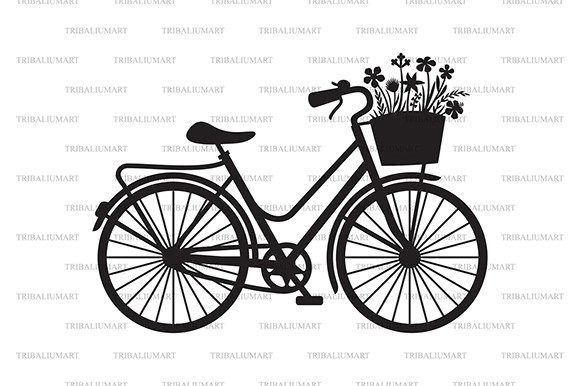
The immediate mood of this file is nostalgic but grounded. It isn’t trying to be modern minimalist, nor is it overly ornate baroque. It sits comfortably in that sweet spot of vintage charm that performs exceptionally well on physical products. For those of us running craft businesses or Etsy shops, "vintage" is a safe bet, but "cluttered" is a death sentence. The layout of the bicycle feels balanced, offering enough negative space to breathe while providing distinct shapes—wheels, frame, handlebars—that translate cleanly into satin and fill stitches.
Real-World Application: The Tote Bag Test
To truly evaluate any machine embroidery design, you have to imagine it on a specific product. My mental test case for Retro Bicycle with Flowers was a heavy-cotton canvas tote bag intended for a local farmers' market booth. Why? Because totes are high-volume items where brand recognition matters. If the logo or art looks muddy from ten feet away, the sale is lost.
Visually, this design has the weight to stand up against thick canvas. A delicate line-art flower might get lost, but the bold curves of the retro bike frame provide strong visual anchors. I can see this working beautifully as a centered chest print on a sweatshirt or a large pocket placement on an apron. The theme suggests gifts, spring events, or garden-related merchandise. It feels like a personalized gift that says "slow living" rather than "fast fashion."
However, we need to talk about the floral elements. In many digital previews, flowers look like solid blobs. In embroidery, they rely on stitch density and texture to read as petals. If this design uses primarily fill stitch for the blooms, it will hold its shape well on structured fabrics. If it relies too heavily on thin running stitch lines for the petals, it risks looking sparse on textured fabrics like fleece or terry cloth. Based on the visual personality, it seems robust enough for standard apparel decor, but I would avoid placing it on highly textured knits unless stabilized properly.
Where Caution Is Required
No design is perfect for every scenario, and Retro Bicycle with Flowers has its limitations. As an experienced reviewer, I must highlight where this embroidery file might struggle.
- Small Hoop Sizes: If you are attempting to fit this into a 4x4 inch hoop, you will likely encounter issues with detail loss. The wheels and the cluster of flowers may merge into a single indistinct blob if scaled down too aggressively. This design demands breathing room.
- Curved Surfaces: While it might look fine on a flat mockup, applying this to a curved surface like a baseball cap or a beanie requires careful digitizing judgment. The straight lines of the bike frame might distort if the fabric tension isn't perfectly managed.
- Thin or Stretchy Fabrics: Avoid using this on lightweight jersey or sheer materials without a heavy-duty stabilizer. The weight of the thread required for the fill areas could cause puckering, ruining the finished product quality.
- Dense Stitch Areas: Check the overlap between the bicycle tires and the flower stems. If the stitch density is too high in these transition zones, the needle may break, or the fabric may become stiff and uncomfortable to wear.
Technical Considerations for the Designer
Before uploading this to your shop or stitching it for a client, there are practical steps you must take. The product description mentions a ZIP folder containing SVG, DXF, EPS, JPEG, PNG, and PDF files. Note that these are Graphics and vector formats, not necessarily machine-readable PES or DST files. You will need to import these vectors into your digitizing software to create the actual digital embroidery file.
This conversion step is critical. Here is what you need to check during that process:
- Stitch Type Analysis: Ensure the bike frame uses a combination of satin stitch for clean edges and fill stitch for solidity. The flowers should ideally use a mix of fill stitch and perhaps some decorative running stitch accents to add depth.
- Thread Color Contrast: The original graphic colors do not matter once stitched. You must plan your thread colors carefully. On dark fabric, you will need underlay stitches to prevent the bright threads from showing through. On light fabric, ensure the white or pastel flower petals pop against the background.
- Scrap Fabric Testing: Never trust a screen. Stitch this out on the exact fabric you plan to sell. Does the fabric texture hide the details? Does the stabilizer leave a residue? This step saves you from returns and bad reviews.
- Black and White Mockups: Convert the design to grayscale. If the contrast between the bike frame and the flowers disappears, the design lacks visual hierarchy. A good embroidery project must be readable even without color.
Commercial Viability and Branding
For the Etsy seller or small business owner, the value of Retro Bicycle with Flowers lies in its versatility. It fits seamlessly into several trending niches: nursery decor, bridal showers (as a unique alternative to traditional bouquets), and eco-conscious branding. The imagery evokes a sense of journey and nature, which resonates with customers buying handmade products.
When creating printable mockups for your listings, position the design prominently. Show it on a linen tote, a denim jacket, and a kitchen towel. This helps buyers visualize the scale. Remember, customers cannot feel the thread count or the stability of the stitches through a screen. Your job is to convey professionalism and quality through your presentation. If the design looks crisp and intentional in your photos, buyers will assume the stitching is equally precise.
Furthermore, consider the commercial embroidery aspect. If you are selling finished goods, ensure you understand the licensing terms of the source material. Even though this is sold as a digital download, commercial rights vary. Using this for a one-off custom gift is generally safe, but mass-producing inventory requires explicit permission to avoid legal headaches.
Final Verdict
Retro Bicycle with Flowers is a solid, aesthetically pleasing design that offers good potential for a variety of custom apparel and home decor projects. It avoids the pitfalls of being too intricate for production or too simple to stand out. Its strength lies in its classic theme, which appeals to a broad demographic.
However, success depends entirely on your execution. The difference between a $5 item and a $30 item is often the quality of the stabilization, the precision of the trim, and the thoughtfulness of the thread selection. Treat this design with respect, test it thoroughly, and it will serve as a reliable workhorse in your creative arsenal. It is not a magic bullet, but it is a very capable tool for any maker looking to add a touch of vintage charm to their craft business.
If you are willing to put in the prep work—checking your hoop size, adjusting your stitch density, and choosing the right stabilizer—this design will help you create a finished product that customers will love to display and use. It is a worthy addition for anyone looking to expand their catalog with timeless, appealing imagery.