Mandala Indian Flowers Abstract Graphics and Illustrations Review
In the world of digital publishing, visual hierarchy is not just an aesthetic choice; it is a functional necessity. As a designer who has spent years building content ecosystems for bloggers, affiliate marketers, and digital educators, I know that the difference between a visitor bouncing in three seconds and staying to read your lead magnet often comes down to one thing: trust. And trust is built through polished, professional visuals. Recently, I evaluated a specific graphic design asset titled Mandala Indian Flowers Abstract to see if it could hold up under the rigorous demands of real-world editorial workflows. This review breaks down how this vector illustration performs when moved from a creative marketplace thumbnail into actual blog graphics, website headers, and downloadable resources.
The First Impression: Editorial Mood and Niche Fit
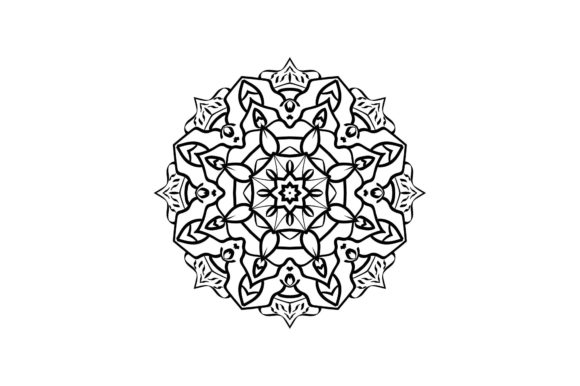
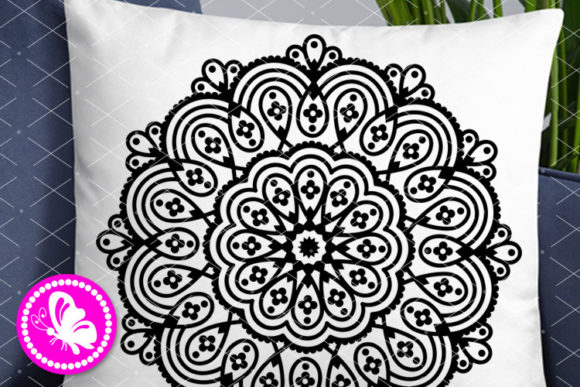
When you first load Mandala Indian Flowers Abstract, the immediate takeaway is its intricate balance between decorative complexity and structural clarity. Unlike generic floral clipart that can feel dated or overly simplistic, this design carries a distinct cultural weight and artistic depth. It feels modern yet rooted in traditional patterns, making it exceptionally versatile for content niches that value authenticity and beauty.
For lifestyle bloggers, wellness coaches, and spiritual educators, this asset creates an immediate mood of calm sophistication. It signals to the reader that the content behind it is curated and thoughtful. However, its appeal extends beyond soft aesthetics. The geometric precision inherent in mandala structures gives it a clean, organized feel that works surprisingly well for educational content, digital guides, and even certain types of small business branding where structure meets creativity. It avoids being overly feminine or playful in a childish way; instead, it strikes a tone that is artistic, elegant, and visually engaging without overwhelming the eye.
Integrating Mandala Indian Flowers Abstract Into Your Publishing Workflow
One of the most compelling features of this asset is its format. Being a vector file means it is openable, editable, and resizable without loss of quality. For a digital publisher, this is non-negotiable. You cannot afford to have pixelated edges on a Pinterest pin or a blurry logo on a media kit. Here is how this graphic design asset fits into critical content marketing touchpoints:
- Blog Featured Images and Headers: The detailed nature of the flowers allows it to serve as a striking background element. When placed behind clean, white typography, it creates a strong visual anchor that draws the reader’s eye to the headline. It elevates standard article layouts into something that looks like a premium magazine spread.
- Pinterest Pins and Social Media Graphics: In the crowded feed of social media, intricate designs stand out. This illustration offers enough detail to reward a closer look but maintains enough negative space (depending on how you crop it) to allow text overlays to remain readable. It is perfect for creating a consistent brand identity across pins that promise digital downloads or freebies.
- Lead Magnets and Digital Guides: If you are creating PDFs, worksheets, or eBooks, this asset adds perceived value. A cover page featuring Mandala Indian Flowers Abstract looks far more expensive and professionally designed than one using stock photos. It suggests to the user that the information inside is high-quality and worth their time.
- Newsletter Banners: Email clients can be finicky with images, but vector-based concepts translated into optimized PNGs work beautifully here. Using this design as a header or footer accent reinforces brand recognition every time your audience opens an inbox.
Impact on Content Performance and Reader Trust
Why does this matter for your bottom line? Because visual consistency builds authority. When your category thumbnails, affiliate content visuals, and website banners all share a cohesive design language, readers subconsciously categorize your site as a reliable source of information. Mandala Indian Flowers Abstract supports this by providing a unique visual motif that distinguishes your brand from competitors who may be using generic templates.
Furthermore, better click-through potential is directly linked to stronger first impressions. A well-designed graphic communicates effort. When a user sees that you have invested in high-quality design assets, they assume you have also invested time in researching and writing your content. This psychological link improves reader trust and increases the likelihood of conversions, whether that is a newsletter signup or an affiliate sale.
Where This Design Shines Brightest
To get the most out of this illustration, consider these specific applications:
- Hero Images: Use large-scale versions for top-of-page banners to set the tone for landing pages.
- Editorial Accents: Use smaller, cropped sections of the flower patterns as bullet points or section dividers within long-form articles.
- Printable Designs: Since it is a vector, it scales perfectly for physical printables like planners, journals, or wall art sold as digital downloads.
- Digital Ads: The bold patterns catch attention in display ads, helping to stop the scroll.
Critical Considerations: Where to Use With Caution
No single design asset is a silver bullet. There are scenarios where Mandala Indian Flowers Abstract might not be the right tool for the job. Understanding these limitations is key to maintaining a professional web design standard.
Avoid using this asset in serious professional niches such as corporate finance, legal services, or medical advice, unless heavily stylized to be extremely minimal. The organic, decorative nature of the flowers may undermine the seriousness required in those fields. Similarly, be careful with low-contrast backgrounds. Because the design is intricate, placing it on a busy or dark background can make it muddy and hard to distinguish. Always test your designs in black and white to ensure the shapes still hold up without the aid of color.
Additionally, while this design is beautiful, it should not compete with your copy. On small mobile thumbnails, the details may disappear, turning into a blur of color. In these cases, simplify the usage—perhaps use only a corner element or a solid color derived from the palette rather than the full illustration.
Practical Publisher Notes for Implementation
Before dropping this asset into your Canva template or WordPress editor, keep these technical tips in mind to ensure optimal performance:
- Font Pairing: Experiment with typography. This design pairs exceptionally well with serif fonts for a classic, literary feel, or clean sans-serif fonts for a modern, minimalist contrast. Avoid script fonts that might clash with the geometric precision of the mandala.
- File Size Optimization: Even though the source is a vector, the final export matters. Compress your images properly to maintain fast website loading speeds. Slow sites kill SEO rankings and frustrate users.
- Commercial Licensing: Always confirm your commercial license before using any design asset on monetized websites, affiliate pages, or paid content products. Ensure you are compliant with the terms of the creative marketplace where you acquired the file.
- Real-World Testing: Do not rely solely on desktop previews. Check how the graphic looks on mobile devices, in email clients, and as a social media preview link. Visual hierarchy must translate across all screens.
In conclusion, Mandala Indian Flowers Abstract is a robust addition to any digital publisher’s toolkit. It offers the flexibility of vector editing with the polish of high-end editorial design. Whether you are refreshing your brand identity, creating new lead magnets, or simply wanting to make your blog graphics pop, this asset provides the visual credibility needed to engage and retain your audience. By integrating it thoughtfully into your content marketing strategy, you invest not just in a picture, but in the overall perception of your brand’s value.