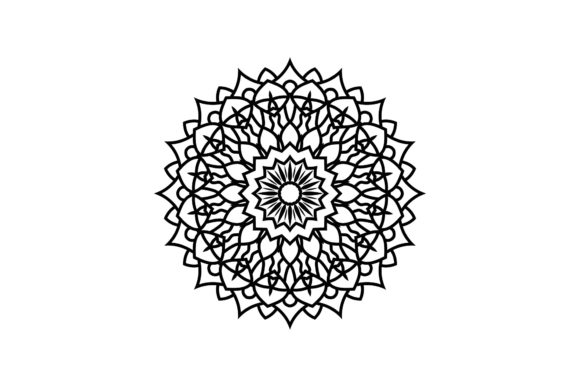
Mandala Flowers Decoration Illustration Graphics Review
When I sit down with a new client—often a boutique owner launching a handmade skincare line or a small business preparing for a seasonal market—I am constantly looking for visual elements that can elevate their brand without overpowering the message. Recently, I evaluated a specific Mandala Flowers Decoration Illustration to determine if it had the professional quality required for real-world commercial application. As a designer who works daily with branding, packaging, and digital marketing visuals, my judgment is strict. An asset must not only look beautiful in isolation but also function effectively within a complex design system. This review breaks down how this Illustrations and Graphics asset performs under practical pressure.
The First Impression: Mood and Visual Weight
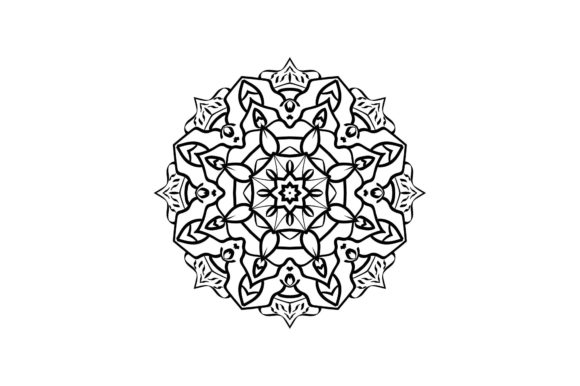
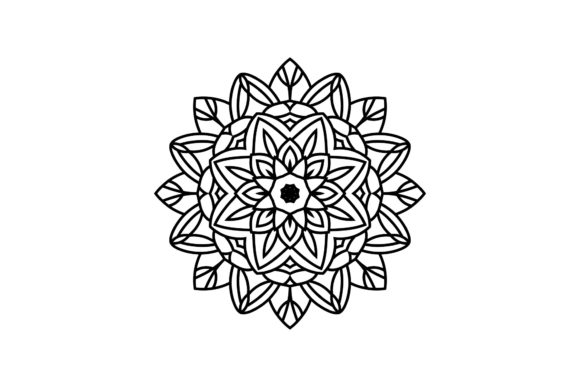
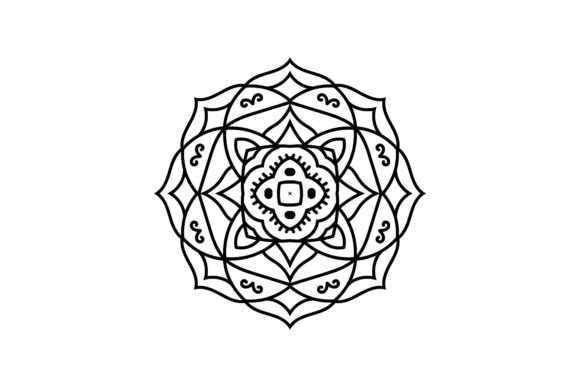
At first glance, the Mandala Flowers Decoration Illustration exudes a sense of organic elegance. The intricate linework suggests a hand-drawn aesthetic, which is highly desirable in today’s market where consumers gravitate toward authenticity and artisanal qualities. The floral mandala structure provides a balanced symmetry that feels calming yet detailed enough to hold attention. For a brand identity focused on wellness, natural beauty, or creative crafts, this graphic design asset immediately signals premium quality. It does not feel like generic clipart; rather, it possesses the nuanced curves and deliberate spacing that characterize high-end creative design.
The style naturally fits projects that require a touch of bohemian chic or spiritual tranquility. Whether you are designing for a yoga studio, an Etsy shop selling crystal jewelry, or a publisher creating editorial content for a lifestyle magazine, this illustration sets a sophisticated tone. It bridges the gap between traditional ornamental art and modern minimalism, making it versatile for various commercial design needs.
Real-World Application in Client Projects
In practice, the utility of this vector file extends far beyond simple decoration. I tested its potential across several common deliverables for small business clients:
- Packaging Design: On product labels for candles, soaps, or essential oils, the mandala acts as a central focal point. Its circular nature frames text beautifully, allowing the brand name to sit clearly in the negative space while the artwork adds perceived value to the physical product.
- Brand Identity and Logo Design: While often used as an accent, this illustration can serve as the core emblem for a logo. When paired with the right typography, it creates a memorable mark that conveys heritage and care. It is particularly effective for small business branding that wants to appear established and trustworthy.
- Social Media Graphics: For Instagram posts and Pinterest pins, the high-resolution vector allows for crisp scaling. I found it works exceptionally well as a background texture overlay or as a standalone hero graphic for promotional campaigns. It increases engagement by adding visual interest to flat layouts.
- Merchandise and Print-on-Demand: When adapted for t-shirt designs, tote bags, or mugs, the clean lines ensure that the print remains sharp even at smaller scales. It is an ideal sublimation design because the continuous lines translate well to fabric surfaces.
- Cricut Projects and Sticker Design: For crafters using cutting machines, the vector format is crucial. The paths are clean, meaning the machine cuts accurately without jagged edges. This makes it perfect for creating vinyl stickers, decals, and personalized gifts.
Strategic Placement and Layout Considerations
Not every placement is created equal. To get the most out of this design bundle, you must be strategic about where you position it. The illustration thrives in large layout areas where its details can breathe. Using it as a hero graphic on a website homepage or as the main visual on a flyer ensures that the viewer appreciates the intricacy of the flower patterns.
It also serves as an excellent decorative accent. Placing it in the corners of a brochure or behind a transparent PNG design layer can add depth without cluttering the primary message. However, there are scenarios where caution is required. In minimalist branding, where whitespace is key, a dense mandala might compete too aggressively with the copy. Similarly, in crowded layouts or low-contrast designs, the fine lines may disappear, leading to a muddy visual result. For professional corporate materials that demand stark clarity and direct hierarchy, this ornamental style might feel too informal or busy.
Impact on Readability and Brand Trust
Visual hierarchy is paramount in any successful design. When integrating the Mandala Flowers Decoration Illustration, you must ensure it supports, rather than disrupts, the readability of your text. Because the illustration has significant visual weight, it should generally accompany simpler, cleaner typography. A sans serif font often provides the best contrast, offering a modern counterpoint to the organic curves of the flowers. Alternatively, a classic serif font can enhance the traditional, elegant mood, while a script font might create a harmonious, romantic pairing. Avoid using display fonts that are equally ornate, as this will create visual noise and confuse the audience.
From a psychological standpoint, the use of such detailed, nature-inspired imagery builds emotional appeal. It suggests that the brand pays attention to detail and values craftsmanship. This perception directly influences audience engagement and visual trust. Customers are more likely to believe in the quality of a product when the accompanying graphics reflect care and precision. Therefore, using a high-quality vector asset like this one contributes significantly to the overall professionalism of the project.
Essential Designer Notes for Commercial Use
Before deploying this asset in a final client deliverable, I recommend running through the following checklist to ensure technical excellence:
- Black and White Test: Convert the illustration to pure black and white. This helps verify that the shapes remain distinct and recognizable without relying on color gradients or shading.
- Contrast Check: Preview the asset on both light and dark backgrounds. Ensure that the lines do not blend into the background, which would ruin the visual hierarchy.
- Scalability Inspection: Zoom in to 400% and zoom out to thumbnail size. As a vector, it should remain crisp at all sizes. If you are exporting as a PNG design, ensure the transparency is clean with no halos around the edges.
- Print Quality Verification: If the project involves physical production, test print a sample. Check that the line weights are thick enough to survive the printing process, especially for sticker design or small label applications.
- File Format Review: Confirm that you have the editable source files (such as SVG or AI). This allows you to adjust colors to match the client’s exact brand palette and modify the complexity of the design if needed.
- Licensing Confirmation: Always double-check the commercial license. Even if the asset is labeled for commercial use, some licenses restrict resale as a standalone digital product. Ensure you are compliant when using it for a client project or in a print-on-demand workflow.
In conclusion, the Mandala Flowers Decoration Illustration is a robust and versatile tool for any designer working in the creative marketplace. Its ability to adapt from web design elements to tangible product mockups makes it a valuable addition to your library of design assets. By respecting its visual weight and applying it with technical precision, you can create polished, engaging work that resonates with audiences and meets the high standards of modern modern design practices.